

Why Sump Pumps Appear Operational While Providing Reduced Water Removal
A sump pump gives homeowners peace of mind. During heavy rain or rising groundwater, the system steps in to move unwanted water away from the home. Many people assume that as long as the pump turns on and makes noise, everything works correctly. Real world plumbing does not always behave that way. A sump pump can run, sound normal, and still remove far less water than it should.
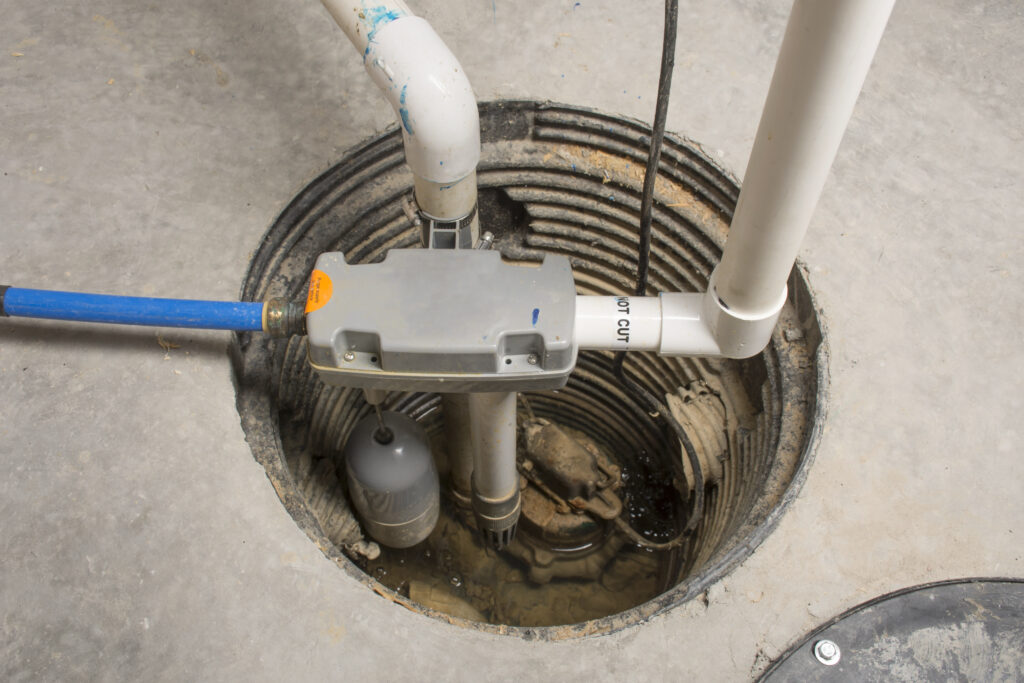
This situation frustrates homeowners because the warning signs feel confusing. The pit may still fill with water. The pump may activate. You may hear the motor. Yet water levels drop slowly or barely change. Understanding why this happens helps prevent water damage and system failure.
Reduced performance rarely points to a single cause. Several small problems can limit how much water a sump pump moves.
A Running Motor Does Not Guarantee Proper Pumping
Many sump pump issues begin with a common misunderstanding. Homeowners equate motor activity with effective water removal. The pump turns on, so the system must work. In reality, the motor only represents one part of the process.
Water removal depends on multiple components working together. The float switch triggers activation. The motor powers the impeller. The impeller pushes water into the discharge line. The check valve controls flow direction. The discharge pipe carries water away from the house.
A failure or restriction anywhere along this path reduces performance even if the motor continues running. The pump may sound healthy while moving minimal water.
Partial Blockages Restrict Discharge Flow
One of the most frequent causes of reduced water removal involves discharge line restrictions. Dirt, debris, small stones, or mineral buildup can narrow the pipe interior. Water still passes through, but flow volume decreases.
Unlike a full blockage, partial restrictions do not always create dramatic symptoms. The pump runs. Water exits. The system appears functional. Yet the rate of removal drops significantly.
Outdoor discharge points often contribute to this problem. Leaves, mud, and sediment can accumulate at the pipe outlet. Homeowners rarely inspect this area unless water backs up completely. Slow drainage from the pit often signals discharge resistance.
Check Valve Problems That Limit Efficiency
The check valve plays a crucial role in sump pump performance. This valve prevents discharged water from flowing back into the pit after each cycle. A faulty or worn valve allows reverse movement.
Water then reenters the basin, which forces the pump to move the same water repeatedly. The motor cycles normally, but effective removal declines. Homeowners may notice frequent activation or longer run times.
Check valve issues do not always produce loud or obvious failure signs. Small internal wear or improper seating can cause performance loss without drawing attention. Inconsistent water level reduction often points to valve problems.
Impeller Wear and Reduced Pumping Power
Inside the sump pump, the impeller performs the heavy lifting. This spinning component creates the force needed to move water. Over time, wear, debris contact, or minor damage alters its efficiency.
A worn impeller still spins. The motor still operates. Water still moves. Yet pumping power declines. The system cannot generate the same discharge force as before.
Fine sediment and gritty particles accelerate impeller wear. Many homeowners never consider this internal component because it remains hidden within the pump housing. Gradual performance decline often traces back to impeller degradation.
Float Switch Issues That Affect Water Removal
The float switch controls pump activation based on water level. Improper positioning or minor interference can disrupt normal cycling behavior. A switch that triggers too early prevents the pit from reaching optimal discharge levels. The pump activates before enough water accumulates, which reduces removal efficiency per cycle.
A switch that triggers too late allows excessive water buildup. The pump then struggles to catch up, especially during heavy inflow conditions. Sticking, dragging, or obstructed floats commonly produce irregular pumping patterns.
Airlocks That Reduce Pump Output
Airlocks represent a lesser known but important cause of reduced pumping. Trapped air inside the pump or discharge line interferes with water movement. The motor runs, but the pump cannot move water effectively.
Air pockets disrupt the impeller’s ability to create proper flow. Homeowners may hear normal motor sounds while observing weak discharge.
Improper installation angles, discharge design problems, or small leaks can introduce air into the system. Intermittent pumping strength sometimes indicates airlock behavior.
Discharge Pipe Height and System Resistance
Sump pumps push water upward before directing it away from the home. Excessive vertical lift increases system resistance. Pumps that operate near their limits often struggle to maintain strong output.
Changes to discharge routing, landscaping adjustments, or improper replacements can introduce additional height or bends. These modifications force the pump to work harder for the same result.
Water still exits the pipe, which hides the efficiency loss. Extended run times with modest water reduction often signal resistance problems.
Electrical Issues That Affect Motor Strength
Not all electrical problems cause total pump failure. Voltage irregularities, weakened connections, or aging components can reduce motor strength without stopping operation. A motor receiving insufficient power may run slower or generate less torque. The pump still activates but delivers reduced performance.
These conditions rarely present clear visual clues. Homeowners typically assume mechanical failure rather than electrical influence. Unusual motor behavior or inconsistent output may point to power supply concerns.
Hidden Wear From Normal System Aging
Sump pumps operate in harsh environments. Moisture, sediment, temperature changes, and vibration create gradual wear. Small efficiency losses accumulate over time. Seals weaken. Internal clearances change. Components lose precision. The pump continues functioning but cannot match original performance levels.
Many homeowners only discover this decline during heavy rain events when water removal becomes critical. Routine inspection helps identify aging related performance loss.
Why Reduced Performance Requires Attention
A sump pump that removes less water than expected creates serious risk. Heavy rainfall or rapid groundwater entry can overwhelm the system. Water levels may rise faster than removal capacity.
Basement flooding, foundation moisture problems, and property damage can follow. Early diagnosis prevents costly consequences. Homeowners benefit from recognizing that pump activity alone does not guarantee protection. System efficiency matters just as much as system operation.
FAQs
Why does my sump pump run but water leaves the pit slowly?
Partial discharge restrictions, check valve issues, or impeller wear commonly reduce removal speed.
Can a sump pump sound normal while performing poorly?
Yes. Many performance problems do not affect motor noise or activation behavior.
How often should a sump pump system be inspected?
Annual inspections help identify wear, blockages, and component issues before failure occurs.
What signs indicate a check valve problem?
Frequent cycling, fluctuating pit levels, or water returning after discharge often signal valve trouble.
Should reduced pumping performance be treated as an emergency?
Reduced efficiency increases flooding risk, especially during storms. Prompt evaluation prevents damage.
Sump pump running but not clearing water properly? Edmond’s Rooter-Man Plumbers can help. Call 281.351.4422.