


Why Sewer Line Repairs Sometimes Fail Early When Surrounding Bedding And Backfill Conditions Are Ignored
A sewer line repair can look complete from the surface and still carry hidden risk underground. The damaged section gets replaced, flow returns, the yard gets closed back up, and the homeowner expects the problem to be over. Then, months later, slow drains come back, the line shifts, a joint opens, or another repair becomes necessary. That kind of early failure feels confusing and expensive, especially after professional work already took place.
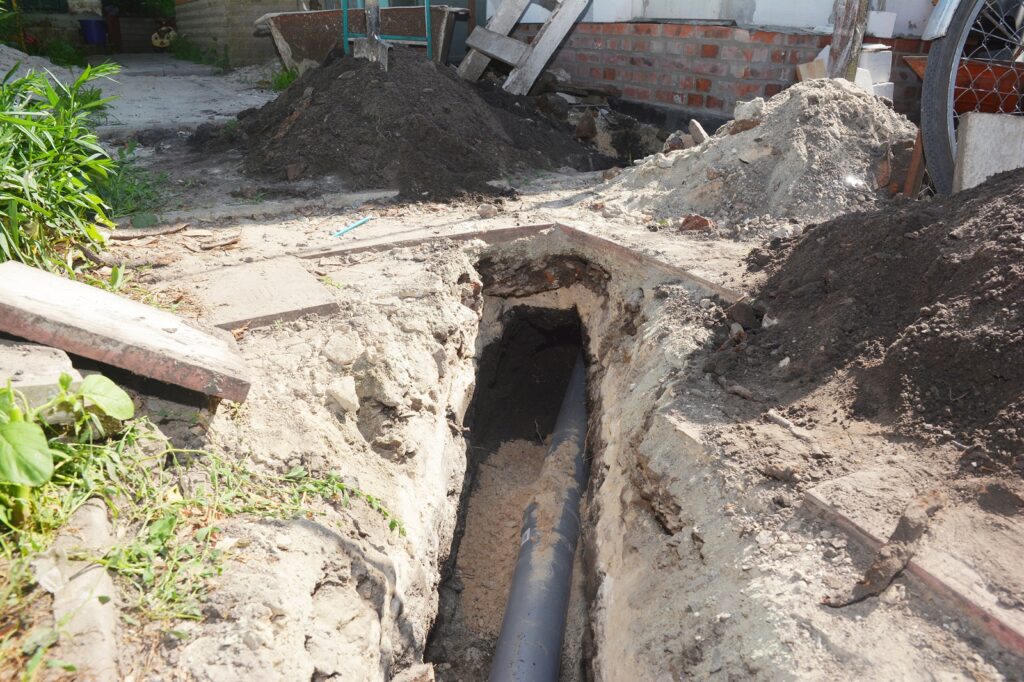
Many homeowners focus on the pipe itself, and that makes sense. The broken, cracked, or collapsed line seems like the obvious problem. Still, the pipe is only one part of the system underground. The material underneath the pipe and the soil packed around it matter just as much. Those surrounding conditions are called bedding and backfill, and they play a major role in whether a sewer repair lasts.
Bedding supports the pipe from below. Backfill surrounds and covers it after the repair. Both affect how the pipe carries weight, how it handles movement, and how well it stays aligned over time. If either one gets ignored, the repaired section may start out fine and still fail early under normal underground stress.
In Tomball, Northwest Houston, TX and the surrounding areas, soil movement adds another layer of concern. Expanding and shrinking ground can stress buried plumbing year after year. A repaired sewer line needs stable support beneath and around it, or the repair may not hold the way it should.
This article explains why sewer line repairs sometimes fail early when bedding and backfill conditions are ignored, and why good repair work depends on more than replacing damaged pipe.
What Bedding And Backfill Actually Do
A sewer line does not float in open space underground. It relies on the ground around it to stay supported and stable. Bedding is the material placed under and immediately around the pipe to help it sit evenly and maintain its proper slope. Backfill is the material placed over and around the repaired section after installation.
These layers do more than fill a trench. They help the pipe carry the weight of soil above it. They also help limit shifting, sagging, twisting, and pressure points along the line. A sewer pipe needs even support. One hard rock under one section and soft loose soil under another section can create completely different stress conditions along the same repaired run.
A good repair depends on the pipe, the joints, the slope, and the support underneath all working together. When bedding and backfill are done right, the line has a better chance to stay stable long after the trench is closed.
Why A New Pipe Section Can Still Fail Early
Homeowners often assume that a new sewer pipe section should automatically last because the material itself is new. That sounds reasonable, but new pipe does not fix unstable ground conditions. Even strong pipe can fail when the support under it is poor.
A repaired section needs consistent support from end to end. If part of the line sits on solid bedding while another section rests on loose or uneven material, the pipe may settle at different rates. That difference creates stress at joints and transitions. Over time, even a small amount of movement can affect flow and connection stability.
This is why a repair can fail early without the replacement pipe itself being defective. The pipe may be fine. The problem may come from what was left beneath it or packed around it after the repair was completed.
Poor Bedding Can Lead To Sagging And Misalignment
Bedding provides the foundation for the repaired sewer section. If the base under the pipe is uneven, unstable, or too loose, the line may not keep its intended slope. That matters because sewer lines rely on gravity. Wastewater needs a consistent path to move properly.
A sagging section can create a low spot where water and waste begin to collect. That standing material increases the chance of slow drains, recurring clogs, and backup conditions. Homeowners may blame the sewer line itself or think roots have returned, when the real problem comes from the way the pipe settled after repair.
Misalignment can also develop if bedding does not support the pipe evenly. One end of the repair may stay stable while the other drops slightly. That shift can stress the joints and affect how wastewater moves through the repaired section.
Even a well-installed pipe can perform poorly if the base under it does not hold it in the right position.
Backfill Quality Affects Pipe Stability More Than Most People Realize
Backfill gets less attention than the repair itself, but it plays a major role in long-term performance. Once the pipe is in place, the trench needs to be refilled in a way that supports the line without placing uneven pressure on it.
Backfill that contains large rocks, chunks of debris, or poorly compacted soil can create stress points around the pipe. Those stress points may not cause immediate damage, but they can contribute to shifting, settling, or pressure against one side of the line. Over time, that can lead to cracked joints, changed slope, or movement near the repaired section.
Loose backfill brings its own problems. If the surrounding soil settles later, the line may lose support and begin to shift. That movement often shows up as recurring drain trouble, low spots in the yard, or early failure near the transition between the old and new pipe sections.
A sewer repair should not just restore flow today. It should also sit in stable conditions that support the line tomorrow.
Soil Movement In Tomball And Northwest Houston Makes Support Even More Important
Homes in Tomball and Northwest Houston deal with soil movement that can be hard on buried plumbing. Ground conditions change with moisture, heat, drought, and heavy rainfall. As the soil expands and contracts, buried lines feel that pressure.
This is where bedding and backfill become even more important. A repaired line with proper support has a better chance to handle those shifts without losing alignment. A repaired line sitting in unstable or poorly compacted material may move more quickly and develop problems sooner.
That movement may not cause an immediate break. It may show up first through repeat slow drains, minor settling in the repair area, or recurring trouble at the connection points. Over time, though, those early warning signs can turn into another repair.
In this region, underground support conditions matter just as much as the new pipe material itself.
Connection Points Often Suffer First
Many early sewer line failures show up near connection points. Homeowners sometimes assume the joint itself failed because of a bad connection. Sometimes that happens. In many cases, the surrounding support conditions helped create the problem.
A connection point joins the old line to the new repair section. That transition already carries extra stress because the materials, pipe age, or surrounding conditions may differ from one side to the other. If the bedding under one side settles or the backfill around the connection shifts unevenly, the joint becomes one of the first places to react.
This can create:
- Small alignment changes
- Joint separation
- Waste buildup near the transition
- Repeat backups
- Premature wear at the connection area
That is why sewer line repairs should never treat bedding and backfill as an afterthought. The support around the connection can determine whether that repaired section remains stable or starts the next cycle of trouble.
Early Sewer Repair Failure Often Looks Like A Drainage Problem First
When a repair starts failing because of poor underground support, the first symptom is not always obvious pipe damage. Homeowners often notice drainage problems before anything else.
These may include:
- Slow drains in multiple fixtures
- Recurring sewer backups
- Gurgling sounds
- Wastewater movement that seems inconsistent
- Sewer odors returning
- Soft or sunken spots in the yard above the repair
These symptoms often get blamed on a new clog or a separate issue farther down the line. In reality, the repaired section may have shifted slightly because the support around it was not stable enough. That shift changes how wastewater moves and creates new trouble long before the line fully fails.
Why Good Sewer Repair Planning Includes The Trench, Not Just The Pipe
A sewer repair plan should answer more than one question. It should not stop at “what section of pipe needs replacement?” It should also ask:
- What kind of material is under the damaged section now?
- Will the repaired pipe sit evenly from end to end?
- Does the trench contain debris or unstable soil that should come out?
- How will the backfill support the pipe after the trench is closed?
- Will the repaired section handle future soil movement well?
These questions matter because the repair does not exist in isolation. The trench becomes part of the finished repair. The material below and around the pipe affects how well that new section holds its shape, slope, and alignment over time.
A repair that ignores trench conditions may save time in the moment but create more risk later.
Why Homeowners Should Care About Underground Support Details
Most homeowners will never watch a sewer repair from inside the trench, and they should not have to manage those technical details themselves. Still, it helps to understand why underground support matters.
A sewer line carries waste every day. That flow depends on stable slope and solid connections. The pipe cannot do that job well if it settles, twists, or loses support after the repair. Bedding and backfill are what help prevent those changes.
Homeowners who understand this are better prepared to ask smart questions and understand why a sewer repair should involve more than replacing broken pipe. They can better appreciate why some repairs last longer than others, even when both used quality materials.
Long Term Sewer Line Reliability Depends On More Than The New Pipe
A sewer line repair can fail early even when the new section was installed correctly, simply because the support around it was not handled with enough care. Bedding and backfill do not get the same attention as cameras, excavation, or pipe replacement, but they affect the result in a very real way.
A strong repair needs:
- Proper support under the line
- Even slope through the repaired section
- Stable material around the pipe
- Good joint alignment
- Trench conditions that will not settle unevenly later
That kind of work supports the repair after the crew leaves and after the yard looks normal again. It helps the line keep doing its job without repeat trouble building below the surface.
Frequently Asked Questions
What Is Bedding In A Sewer Line Repair?
Bedding is the support material placed under and around the pipe to help it sit evenly and keep the right slope.
What Does Backfill Do After A Sewer Repair?
Backfill surrounds and covers the repaired line, helping support the pipe and stabilize the trench after the work is done.
Can Poor Bedding Cause A Sewer Line To Sag?
Yes. Uneven or weak support under the pipe can allow settling that creates low spots and drainage problems.
Why Can A New Sewer Repair Fail Even If The Pipe Itself Is New?
The pipe may be new, but unstable support below or around it can cause shifting, joint stress, and early performance problems.
What Signs Might Suggest A Repaired Sewer Line Has Shifted?
Repeat slow drains, backups, sewer odors, or soft spots in the yard can all suggest the repaired section is no longer fully stable.
Edmond’s Rooter-Man Plumbers helps homeowners solve sewer line problems with repair planning built for long-term stability in Tomball, Northwest Houston, TX and the surrounding areas. Call 281.351.4422.