


How Offset Drain Connections Create Slow Drain Problems That Simple Cleaning Cannot Fully Solve
A slow drain seems easy to explain. Most homeowners think hair, grease, soap, or food waste must be blocking the line. That is often true, but not always. Some drains keep slowing down even after cleaning because the real problem is not a buildup issue alone. The real problem sits in the way one pipe section connects to another.
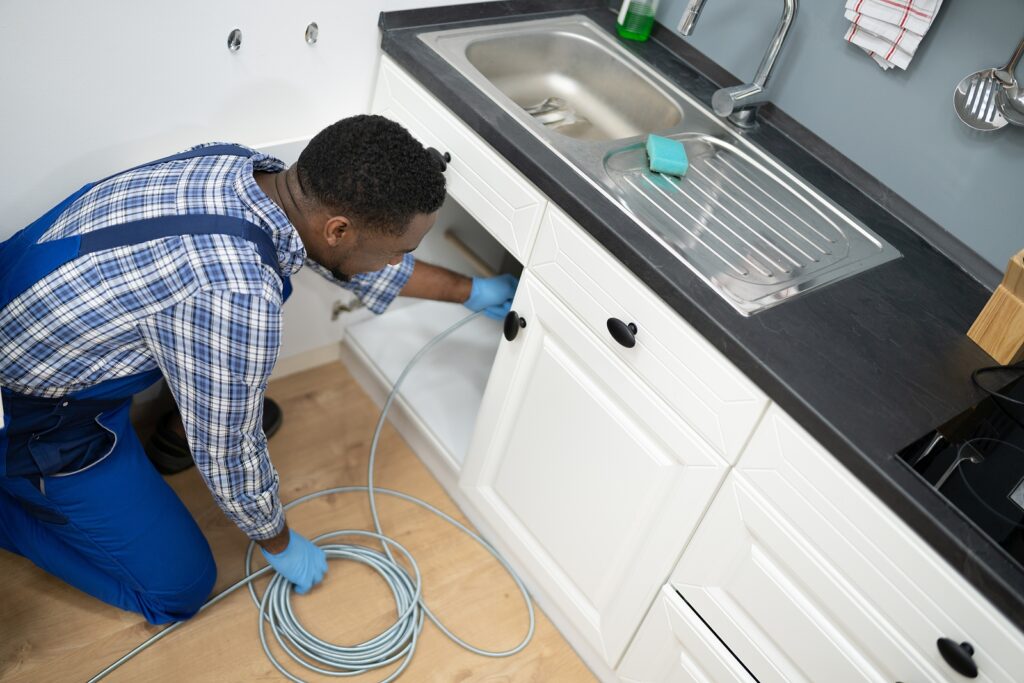
An offset drain connection happens when two connected parts of the drain line do not line up correctly. One section may sit slightly higher, lower, or off-center from the next. Water can still pass through, which is why the drain does not fail completely right away. At the same time, that uneven connection creates resistance. Waste catches at the lip or edge. Flow slows. Small debris collects faster than it should. Before long, the homeowner notices recurring slow drainage and assumes the line just needs another cleaning.
This is where frustration starts. A basic cleaning may remove the material that collected at the trouble spot, but it does not correct the connection itself. The drain improves for a short time, then slows down again because the same offset still sits inside the line. In Tomball, Northwest Houston, TX and the surrounding areas, homes often deal with shifting soil, pipe movement, older drain materials, and remodel-related plumbing changes that can all contribute to this kind of issue.
Understanding how offset drain connections affect performance helps homeowners make better decisions. It also explains why some slow drains keep coming back no matter how many times someone clears the line.
What An Offset Drain Connection Actually Means
A drain connection should guide wastewater smoothly from one section of pipe into the next. In a good connection, the inside walls line up closely enough that water, soap, waste, and debris can move through without catching. An offset connection breaks that smooth path.
This misalignment may be small. It does not need to be dramatic to cause trouble. A slight shift at a joint can create a ledge, lip, or partial narrowing. Once that happens, water still moves, but not as cleanly as it should. Solids and residue slow down when they hit that uneven spot. Some wash through. Some stick. Over time, the line becomes more prone to buildup.
Offset connections can happen in vertical and horizontal drain runs. They can appear near sinks, showers, tubs, laundry drains, and larger branch lines. The exact location changes the symptoms, but the pattern stays similar. The drain works, just not well enough to stay clear for long.
Why A Simple Cleaning Often Gives Only Temporary Relief
A standard drain cleaning removes what is currently slowing the line. That can help a lot. Water starts moving faster, the sink empties better, and the homeowner feels like the issue is solved. Then the same drain starts slowing again weeks or months later.
That cycle often points to a structural condition rather than a pure blockage problem. The offset connection remains inside the line, ready to trap new material. Grease, soap, food particles, lint, and hair do not need much help to start collecting at an uneven edge. Once the first layer sticks, the next layer catches more easily.
This is why the drain can seem to “re-clog” even though the last cleaning worked. The cleaning treated the symptom. It did not remove the reason the symptom keeps coming back.
A plumber should think beyond the current clog when a drain shows that pattern. Repeat slow drainage often means the shape of the pipe path deserves as much attention as the debris inside it.
How Offset Connections Develop In The First Place
Drain connections do not usually start out offset for no reason. Something changes over time, or something was not aligned properly during installation.
One common cause is soil movement. In areas with shifting ground, underground sections of drain line can settle unevenly. One side of a connection may drop slightly while the next section stays in place. That small movement can change the internal alignment enough to affect flow.
Older homes may also develop alignment issues as pipe supports weaken or materials age. Connections that once matched correctly can drift out of position over time.
Remodeling and additions can contribute too. A new drain branch tied into an older line may not line up perfectly if the existing pipe already has slight movement or wear. Even small construction adjustments can create a drain path that works just well enough to pass inspection or function initially, but not well enough for smooth long-term performance.
Poor repair work can cause it as well. A plumber may replace part of a line, but if the connection does not align well with the original pipe, the new joint can become the next trouble spot.
Why Slow Drain Symptoms Vary By Fixture
Offset drain connections do not always look the same from one fixture to another. The symptom changes based on what moves through the pipe and how often the fixture gets used.
A bathroom sink may drain slowly because toothpaste residue, soap, and hair keep collecting at the offset. A kitchen line may take longer to show problems, but once grease and food debris find that same uneven spot, the slowdown can become much more stubborn. A tub or shower may back up only during heavy use because hair mats form faster where the connection interrupts flow.
Laundry drains can behave differently too. Lint and detergent residue move through the line in a way that allows them to snag quickly on rough or uneven areas. This can produce recurring slow drainage even after the standpipe seems to clear.
The fixture symptom can vary, but the real issue still comes back to the same idea: waste cannot move past the connection as cleanly as it should.
Why Offset Connections Catch More Than Just Debris
Many homeowners picture a clog as a pile of material sitting in the line. Offset connections cause a different kind of problem. They do not just catch solid debris. They also disturb the water flow itself.
A smooth drain line encourages steady movement. An offset interrupts that movement. Water loses speed as it hits the uneven connection. That reduced momentum makes it easier for suspended material to settle out. Soap residue, grease film, lint, and organic sludge begin coating the area around the offset.
Once that coating starts, the opening becomes smaller. A drain that began with a minor alignment issue turns into a drain with both an alignment issue and a buildup issue. That combination makes the line feel more clogged than it really is, which is why the homeowner may keep reaching for the same cleaning approach without ever getting lasting results.
Why Camera Inspection Matters So Much Here
A drain camera changes the whole conversation with this kind of issue. Without visual confirmation, a slow drain can look like almost any other clog. A cable may pass through. Water may start moving. The problem appears solved. Then it returns.
A camera inspection can show the actual shape of the connection. It can reveal whether one section of pipe sits higher or lower than the next, whether buildup has formed around the offset, and whether the surrounding pipe also has scale, roots, cracking, or slope problems.
That kind of evidence matters because it tells the homeowner whether continued cleaning makes sense or whether the line needs correction. It also helps prevent repeated service visits that only deliver short-term relief.
Camera inspection is especially useful when the drain has already been cleaned before and still does not stay clear. That repeat pattern usually means the line needs more than another pass with a machine.
Why Some Offset Problems Get Worse Over Time
An offset connection rarely improves on its own. In fact, it often gets worse. As debris and residue collect, the drain opening gets smaller. As the surrounding pipe shifts more, the connection may misalign further. As old pipe walls roughen or corrode, the area around the offset becomes even more likely to trap waste.
This creates a compounding problem. The offset slows the drain. The slowdown encourages buildup. The buildup narrows the line. The narrowed line slows the drain even more. Each stage makes the next one more likely.
That is why homeowners often describe the problem as “getting more frequent.” What started as an occasional slow drain becomes a regular annoyance, then a recurring clog, then a line that backs up under normal use.
Why The Best Solution Depends On The Pipe Condition
Not every offset drain connection needs the same response. Some lines can benefit from thorough cleaning paired with close monitoring if the offset is minor and the surrounding pipe remains in good shape. Other lines need repair because the connection itself keeps undermining the drain’s performance.
The best solution depends on a few things:
- How severe the offset is
- How often the drain slows down
- What kind of material moves through that line
- What the rest of the pipe looks like
- Whether nearby sections show scale, cracking, or settling
A smart plumber will not guess at this. They will inspect the line, explain the degree of misalignment, and help the homeowner understand whether another cleaning is likely to help or whether the line needs structural correction.
Why Long Term Results Require More Than Opening The Drain
Homeowners usually want one thing from drain service: a drain that stays clear. That goal makes perfect sense. A cleaning that only opens a small path through the clog may restore temporary use, but it may not restore reliable long-term performance if the pipe path still contains an offset.
This is the real lesson with offset drain connections. A slow drain is not always just a dirty drain. Sometimes it is a drain with a shape problem. Until the connection issue gets identified and addressed properly, the line may keep collecting material faster than normal.
Understanding that difference can save homeowners time, frustration, and repeated service calls. It also helps them move from “Why does this keep happening?” to “Now I know what this line actually needs.”
Frequently Asked Questions
What is an offset drain connection?
An offset drain connection happens when two connected pipe sections do not line up properly inside the line, which disrupts smooth flow.
Can a drain still work if the connection is offset?
Yes. Water can still pass through, but debris and residue often catch at the uneven point and cause repeat slow drainage.
Why does my drain slow down again after cleaning?
A recurring slow drain may mean the line has an offset connection or another structural issue that keeps collecting buildup.
How can a plumber confirm an offset connection?
A camera inspection can show misaligned joints, buildup at the connection, and other pipe conditions that affect flow.
Does every offset drain connection need repair?
Not always. The right solution depends on how severe the offset is, how often the drain clogs, and the condition of the remaining pipe.
Edmond’s Rooter-Man Plumbers helps homeowners solve repeat slow drain problems in Tomball, Northwest Houston, TX and the surrounding areas. Call 281.351.4422.