


A Sudden Water Bill Spike With No Usage Change Usually Means This Problem
A water bill that’s 20, 50, or even 100 percent higher than normal, with no new occupants, no pool filling, no obvious change in habits, is almost always telling you the same thing: water is leaving your supply system somewhere and going somewhere it is not supposed to go. The good news is that you can confirm or rule out an active hidden leak in 15 minutes with a simple water meter test, before spending anything on a professional service call. The EPA WaterSense program estimates that household plumbing leaks waste nearly 1 trillion gallons of water nationally per year, with a significant portion coming from hidden supply line failures that homeowners discover only when they review a billing statement. This guide walks through the five most common causes of sudden water bill spikes in Northwest Houston homes, how to test for each one, and when the situation requires professional leak detection equipment rather than a self-diagnostic approach.
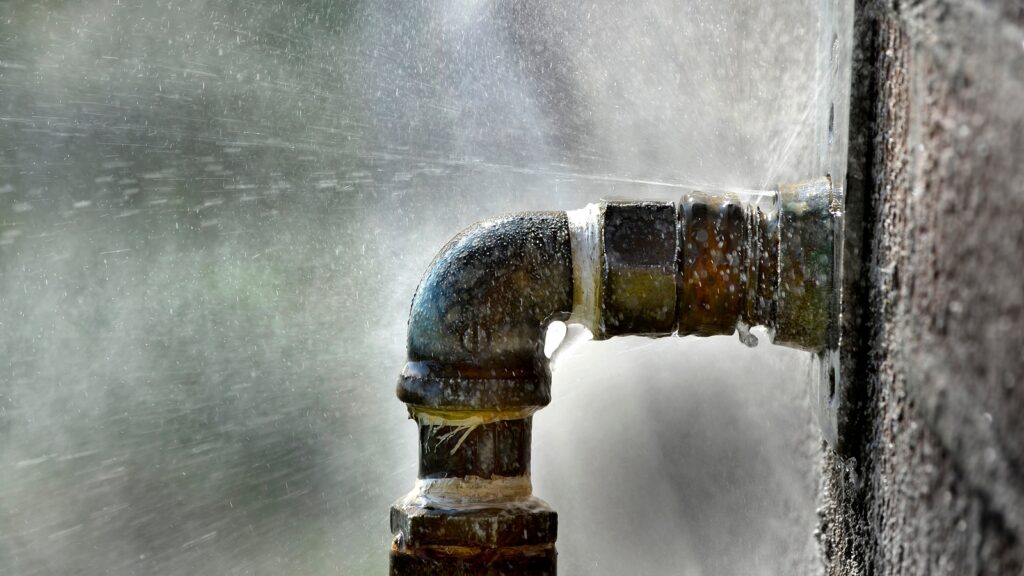
Water bill spiked unexpectedly? Call Edmond’s Rooter-Man Plumbers at 281.351.4422 for professional leak detection and water main repair throughout Tomball and Northwest Houston. Licensed, insured, available 24/7.
The Water Meter Test: Confirm or Rule Out an Active Leak in 15 Minutes
Before calling a plumber or a utility company, run this test. It takes 15 minutes and tells you definitively whether water is actively leaving your supply system.
- Shut off everything: Close every faucet, shut off all appliances that use water (dishwasher, washing machine, ice maker), disable your irrigation system, and confirm the main water heater inlet is in its normal open position.
- Find your water meter: The water meter is at the curb in a ground-level box with a lid, typically near the street. Lift the lid, you may need a screwdriver or meter key.
- Locate the low-flow indicator: Most residential meters have a small triangular or star-shaped dial called the low-flow indicator. This dial rotates with very small flows, as little as 1/10 of a gallon per minute.
- Watch for 15 minutes: With everything confirmed off, watch the low-flow indicator continuously for 15 full minutes. Do not use any water during this period.
- Interpret the result: Any movement of the indicator during this period confirms active water loss from your supply system. No movement means no active supply-side leak, your bill increase likely came from usage patterns or a meter anomaly.
The USGS Water Science School documents that a single leak dripping at one drip per second wastes approximately 3,000 gallons per year. The hidden leaks that cause dramatic bill spikes waste far more, sometimes thousands of gallons per day, because they involve pressurized supply lines flowing continuously rather than dripping.
The 5 Most Common Causes of Sudden Water Bill Spikes in Northwest Houston Homes
1. A Running Toilet Flapper
The toilet flapper is a rubber seal that presses against the flush valve seat to stop water flow from the tank to the bowl between flushes. When it wears, warps, or collects mineral deposits from Northwest Houston’s hard water, it no longer seals completely, and water flows continuously from the tank down the drain. A moderate flapper leak wastes 200 to 2,000 gallons per day, silently, invisibly, and constantly. Test it by adding food coloring to the tank. If color appears in the bowl 15 minutes later without flushing, the flapper needs replacement.
2. A Slab Leak
A slab leak is a failure in a water supply line running beneath or through your home’s concrete foundation. In Tomball and Northwest Houston, Harris County’s expansive clay soil creates seasonal pipe stress that causes joint failures in buried supply lines, making the Houston metro one of the highest slab leak areas of any major U.S. city. A slab leak can waste 50,000 to 100,000 gallons before producing visible symptoms inside the home. Early signs include a water heater cycling constantly without apparent use, warm floor spots, and the meter moving with all fixtures off. See our blog on hot floor spots and what they mean for a slab leak for detailed warning sign guidance.
3. An Underground Water Main Leak
The water main is the supply line running from your street meter to your home’s interior plumbing. When this line develops a crack, pinhole failure, or joint separation, from galvanized steel corrosion, clay soil movement, or root intrusion from Northwest Houston’s mature tree canopy, it can waste 2,000 to 10,000 gallons per day before any visible surface evidence appears. The water meter moves continuously with all fixtures off. The area above the main line route may show unusually green or lush grass. Our water main repair service includes acoustic and pressure isolation detection to locate underground line failures precisely before any excavation.
4. An Irrigation System Leak
Irrigation system leaks are common causes of summer water bill spikes in Northwest Houston because sprinkler heads and drip lines are under pressure during each irrigation cycle and operate in soil that shifts seasonally. A broken spray head, cracked distribution line, or solenoid valve stuck in the open position can run water continuously at a zone without homeowners noticing, especially if the irrigation system runs at 4:00 AM when no one is watching. Close the irrigation supply valve and re-run the meter test. If the meter stops, the irrigation system is the source.
5. A Hot Water Supply Line Leak at an Appliance Connection
Washing machine hose supply lines, refrigerator water lines, ice maker connections, and dishwasher supply hoses all carry water at supply pressure and all have rubber components that degrade over time. A slow leak at any of these connections drips into the cabinet beneath the appliance or behind it, soaking insulation and subfloor materials before becoming visible on the floor surface. Pull appliances out from walls annually to visually inspect supply line connections, particularly washing machine hoses, which are among the most common household leak sources.
Hot Water Line vs. Cold Water Line: Narrowing Down the Source
Once the meter test confirms an active leak, isolating whether it is in the hot or cold water system narrows the search significantly before a plumber deploys full detection equipment.
- Close the cold water inlet valve at the water heater (the valve on the pipe entering the top of the unit).
- Run the water meter test again.
- If the meter still moves: the leak is in the cold water supply system, either the main line, cold water supply lines, or an irrigation system.
- If the meter stops: the leak is in the hot water supply system, either a slab leak on a hot water line, a water heater connection leak, or a hot water supply line somewhere in the home.
This test takes 20 minutes total and tells a licensed plumber exactly which system to focus detection equipment on, saving both diagnostic time and your cost.
When to Call the Plumber vs. the Utility Company
Call a licensed plumber first when the water meter test confirms active water loss. The plumber locates and repairs the leak while documenting the repair for utility credit purposes. A plumber’s repair invoice, combined with your own meter test results, provides the documentation most Texas utility districts require for a one-time bill adjustment credit when a confirmed and repaired leak caused an abnormal bill. Most utility districts limit leak adjustment credits to one billing cycle.
Contact your utility company after the repair to report the event and request the credit. Keep the plumber’s invoice, the permit documentation if applicable, and any photos of the damage. Our leak detection team documents all findings with written reports that support insurance claims and utility credit requests. For situations where the meter test shows active loss but you cannot identify the source, professional leak detection with acoustic equipment and thermal imaging locates the source before any surfaces are opened.
Frequently Asked Questions About Sudden Water Bill Spikes
What counts as a significant water bill spike worth investigating?
A water bill increase of 20 percent or more above your typical bill for the same season, without a clear explanation such as filling a pool, hosting additional occupants, or irrigating more frequently, warrants investigation. Small seasonal fluctuations are normal due to irrigation demand. A bill that doubles with no usage explanation almost always indicates active water loss through a leak somewhere in the plumbing system.
How do I run a water meter test to check for a hidden leak at home?
Shut off every fixture, appliance, ice maker, and irrigation zone in the home. Find your water meter at the curb and watch the low-flow indicator, typically a small triangular or star-shaped dial, for 15 full minutes with everything confirmed off. Any movement of the indicator during this period confirms active water loss somewhere in the system. If the dial stays completely still, your usage may have genuinely increased from habits you have overlooked.
Could a running toilet be causing my high water bill?
Yes. A toilet flapper that does not seal completely after flushing allows water to flow continuously from the tank into the bowl and down the drain, invisibly and silently. A moderately leaking toilet flapper wastes 200 to 2,000 gallons per day depending on the severity of the seal failure. To check: add a few drops of food coloring to the toilet tank, wait 15 minutes without flushing. If color appears in the bowl, the flapper is leaking and needs replacement.
What is the most common cause of a sudden water bill increase in Northwest Houston?
A running toilet from a failed flapper is the most common household cause of unexpected water bill increases. For dramatic spikes, bills two or three times the normal amount, the cause is almost always a supply line leak: a slab leak beneath the foundation, an underground main water line leak between the street meter and the home, or a burst irrigation system connection. Each of these can waste thousands of gallons per day without any visible water inside the home.
How much water can a water main leak waste per day?
An active water main leak in the supply line between the street meter and your home can waste 2,000 to 10,000 gallons per day depending on the pipe size, pressure, and the size of the breach. At that volume, a leak developing mid-billing-cycle can produce a bill two to three times your normal amount. The water meter test confirms active loss; pressure isolation testing and camera inspection pinpoint the location before excavation begins.
Could my water meter itself be reading incorrectly and causing a high bill?
Water meter inaccuracies are possible but relatively rare compared to actual leak-caused bill spikes. If the water meter test shows the dial moving with all fixtures off, water is genuinely being lost, either to a leak or to a meter malfunction. Contact your water utility and request a meter re-read or meter test if you believe the meter is faulty. The utility can verify meter accuracy and initiate a dispute process if testing confirms a measurement error.
How do I check whether my irrigation system is causing my high water bill?
Locate the irrigation system shutoff valve, typically a separate valve near where the irrigation supply branches off the main supply, and close it. Then run the water meter test again with the irrigation supply closed. If the meter stops moving with irrigation off but moves with it on, the irrigation system has a leak. Common sources: a broken spray head, a cracked valve, a split drip line, or a solenoid valve stuck open and running a zone continuously without the timer activating.
What is a slab leak and how would I know if one is causing my bill spike?
A slab leak is a failure in a water supply line running beneath or through your home’s concrete foundation. In addition to a spiking water bill, slab leaks typically produce warm floor spots from a hot water line leak, a water heater that cycles frequently without apparent hot water use, moisture or mold smell near floors and walls, and new cracks developing around door frames or window sills. A water meter that moves overnight confirms active loss.
Should I call my water utility or a plumber first about a high water bill?
Start with the water meter test yourself. If the meter moves with everything off, call a licensed plumber first, the plumber can locate and repair the leak while documenting the repair for utility credit purposes. Contact the water utility after the repair to report the leak and request a bill adjustment. Most Texas water utilities offer a one-time leak adjustment credit when a customer can demonstrate a confirmed and repaired leak caused an abnormal bill.
How do I narrow down whether the spike is from a hot or cold water line leak?
To isolate hot from cold: turn off the cold water inlet valve at your water heater. This isolates the hot water system from new cold water supply. Run the water meter test again with the cold inlet closed. If the meter still moves, the leak is in the cold water supply system. If the meter stops, the leak is in the hot water supply, either at the water heater connections or in a hot water supply line beneath the slab.
How long does it typically take to get a water bill credit after a plumbing repair?
Credit processing time varies by utility. Most Texas municipal utility districts process leak adjustment requests within 30 to 60 days of receiving written documentation of the repair. Submit the request with a copy of the plumber’s invoice, any permit documentation, and the results of your water meter test. Credits are typically limited to one billing cycle and may apply a percentage rather than the full overage amount depending on the specific utility’s policy.
Can summer irrigation demand explain a higher water bill even without a leak?
Summer irrigation demand is a legitimate seasonal factor, outdoor watering can increase total household water consumption by 30 to 70 percent for homes with automatic sprinkler systems. The distinction: a usage-related increase produces a higher bill when the irrigation schedule runs, and the meter moves primarily during scheduled irrigation times. A leak produces continuous meter movement at all times, including overnight when no irrigation or other usage is occurring.
Does homeowners insurance cover water damage from a main line or slab leak in Texas?
Standard Texas HO-3 homeowners policies typically cover sudden and accidental water damage from pipe leaks, damage to flooring, walls, and personal property. The plumbing repair itself is usually excluded as a maintenance item. Gradual leaks that developed over extended periods are sometimes denied. Document the discovery date, photograph all damage before cleanup, and contact your insurer before beginning repair or remediation. Our detailed service reports support insurance claim documentation.
What should I tell my water utility when I call about a sudden high water bill?
Report the specific billing period showing the spike, comparison to your typical bill for that season, results of your water meter test, and whether you have had any plumbing work done recently. If a plumber has already confirmed and repaired a leak, have the repair documentation ready. Ask specifically about the utility’s leak adjustment policy, the documentation they require for a credit request, and the deadline for submitting a claim.
Why should I call Edmond’s Rooter-Man Plumbers about a sudden water bill spike?
Edmond’s Rooter-Man Plumbers has served Tomball and Northwest Houston since 1997 with Texas-licensed technicians, BBB Gold Star accreditation, and full insurance coverage. We perform complete leak detection using acoustic listening, thermal imaging, and pressure isolation testing to locate the source before any excavation or demolition. We document all findings for insurance and utility credit purposes. Call 281.351.4422 for water bill investigation and leak detection service throughout Tomball and Northwest Houston.
High Water Bill With No Explanation? Call Edmond’s Rooter-Man Plumbers
A sudden water bill spike is not a billing error to dispute and forget. It is a signal that something in your supply system is losing water, and the longer it continues, the more water is wasted and the more potential damage accumulates. Edmond’s Rooter-Man Plumbers delivers professional leak detection and water main repair backed by nearly 30 years of Tomball and Northwest Houston service, Texas licensing, BBB Gold Star accreditation, and 24/7 emergency availability.
Call 281.351.4422 for water bill investigation and leak detection. Visit contact us. Edmond’s Rooter-Man Plumbers, finding and fixing the cause since 1997.