


Why Your Water Heater Cannot Keep Up With the Demands of Texas Summer
Your water heater kept up fine all winter. But this June, the third shower of the morning is cold, the water never gets fully hot even after running for two minutes, and you’re hearing rumbling sounds from the tank you didn’t hear before. Summer in Northwest Houston is the most demanding season for residential water heaters, and the combination of increased household usage, hard water sediment buildup, and Texas heat creates specific failure patterns that are predictable and preventable. This guide explains exactly what is happening inside your water heater this summer, how to identify the specific cause in your unit, and what steps to take before a struggling system becomes a complete failure during peak demand.
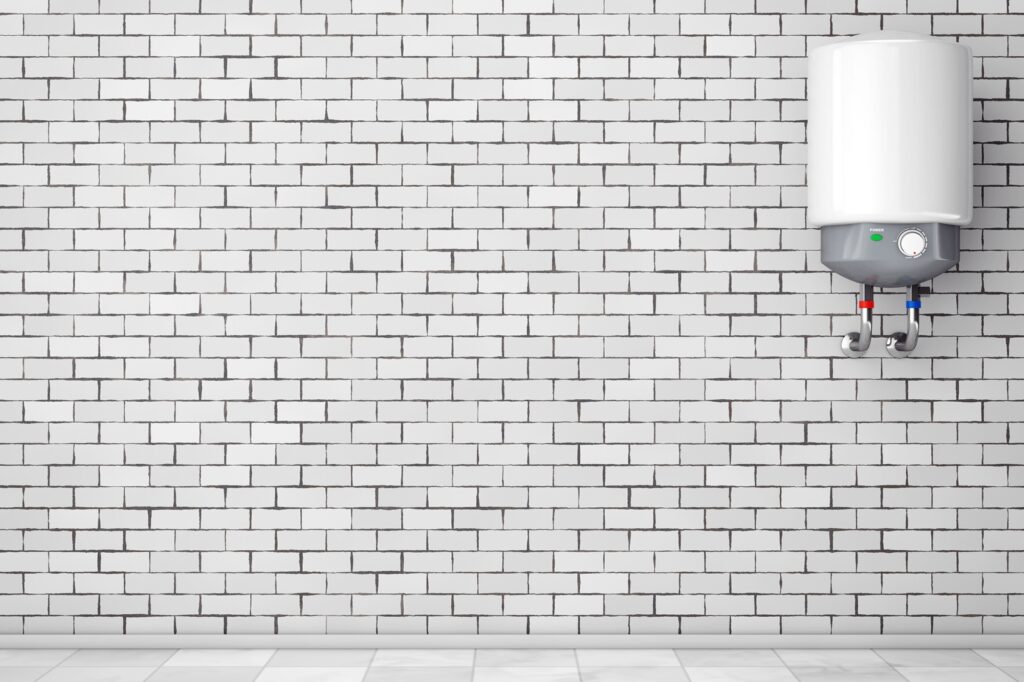
Water heater struggling this summer? Call Edmond’s Rooter-Man Plumbers at 281.351.4422 for licensed water heater diagnosis and repair throughout Tomball and Northwest Houston. Available 24/7.
Why Summer Is the Hardest Season for Your Water Heater
Most homeowners assume water heaters work harder in winter when incoming water is cold. This is partially true for cold water supply temperature, but Texas summer creates a different and often more damaging type of stress. Three factors converge in June, July, and August to push residential water heaters past their normal performance limits.
First, household demand spikes. Kids are home from school. Houseguests arrive. Lawn and pool maintenance increases laundry frequency. More people in the home means more showers, more dishes, more laundry, and all of these compete for the same finite volume of heated water in your tank. A 50-gallon tank that serves a family of four comfortably in March may barely keep up in July.
Second, garage temperatures in Northwest Houston routinely exceed 100°F in summer. Water heaters installed in garages, the most common location in Tomball-area homes, experience extreme ambient heat that stresses external components and accelerates the chemical processes that cause mineral scale to form and harden inside the tank. The heating element or burner works against a growing layer of mineral crust even as the tank exterior bakes in summer heat.
Third, annual sediment accumulation from Tomball’s hard water reaches its most damaging point in summer. Each gallon of water heated inside the tank deposits a small amount of dissolved calcium and magnesium as scale. Over months and years, this scale builds a physical barrier between the heat source and the water. By summer, a tank without recent maintenance may be fighting through a substantial mineral layer just to deliver hot water to a fixture.
6 Specific Reasons Your Water Heater Is Struggling This Summer
1. Sediment and Mineral Scale from Northwest Houston Hard Water
Tomball’s water supply carries 120 to 180 parts per million of dissolved calcium and magnesium, classified as hard water. Every gallon heated inside your tank deposits a fraction of these minerals as scale at the bottom of the unit. Over time, this scale forms an insulating layer between the heating element or burner and the water above it. Imagine trying to boil water with a brick sitting at the bottom of the pot. The system uses far more energy and time to reach the temperature, and it never quite achieves the performance it had when the tank was clean. The popping and rumbling sounds many Tomball homeowners hear from their tanks are steam bubbles fighting through hardened sediment, a clear sign that the situation has become significant. For a complete understanding of water heater sizing and capacity, review our dedicated guide.
2. Tank Size vs. Actual Summer Household Demand
A tank that was appropriately sized when first installed may no longer match current household demand, particularly during summer when usage patterns change. Standard household sizing estimates assume moderate, year-round usage patterns. When teenagers are home all day, guests are visiting, and daily routines generate more hot water use than in any other season, an undersized tank simply cannot recover between back-to-back usage events. First-hour rating, the volume a water heater can deliver in the first hour from a fully heated state, is the most meaningful specification for high-demand summer households.
3. Failed or Weakened Dip Tube
A dip tube is a plastic tube inside the tank that routes cold incoming water to the bottom of the tank near the heating source. When this tube cracks, breaks, or deteriorates, cold water entering the tank mixes directly with hot water near the outlet at the top. The result is water that feels warm but never reaches the temperature needed for a satisfying shower. Dip tube failure is a specific, repairable problem that causes warm-not-hot symptoms regardless of tank size or thermostat setting.
4. Deteriorating Heating Elements (Electric Water Heaters)
Electric water heaters use two heating elements, one near the top and one near the bottom of the tank. The lower element does the heavy lifting of heating cold water. When the lower element deteriorates or fails, only the upper element remains to maintain temperature. The result is much smaller effective tank capacity, the unit can only heat the upper portion of the tank, creating rapid hot water exhaustion during back-to-back showers.
5. Extreme Garage Ambient Temperature
Water heaters in garages must work against the temperature of the surrounding air. When a garage reaches 100°F or above in Texas summer, external tank components heat up. More significantly, the extreme heat accelerates the rate at which hard water minerals precipitate and harden inside the tank. Tanks in air-conditioned spaces don’t face this compounding factor. The combination of peak demand and maximum sediment formation rate in summer creates the perfect conditions for performance failure.
6. Partially Failed Pressure and Temperature Relief Valve
The temperature and pressure relief (TPR) valve is a safety device that opens to release excess pressure or temperature. A TPR valve that is slightly open or has a weakened spring can release small amounts of hot water continuously, reducing effective tank volume and causing the system to heat water it is simultaneously losing. If you notice dampness or residue near the discharge tube on the side of your tank, the TPR valve may be contributing to your residential plumbing system’s hot water shortage.
Steps to Take Before Calling a Plumber
Several checks help identify whether the problem is a maintenance issue or a hardware failure before scheduling professional service.
- Check the thermostat setting. Confirm the water heater is set to 120°F. Lower settings reduce hot water temperature, and some units get accidentally adjusted during other maintenance tasks.
- Listen for popping, rumbling, or cracking sounds during heating cycles. These sounds indicate significant sediment buildup requiring professional flushing.
- Check the dip tube. If water feels warm but never hot, regardless of how long you run it, and the tank is over seven years old, a dip tube replacement is worth investigating as the specific cause.
- Test one fixture versus all fixtures. If only one specific shower or faucet has weak hot water while others have normal temperature, the problem may be in the supply line or valve for that fixture rather than the water heater itself.
- Look for moisture near the TPR valve discharge tube running down the side of the tank. Any dampness indicates the valve is releasing and should be evaluated by a licensed plumber.
If the meter test from the slab leak section above shows active water loss and your hot water seems weak, schedule professional leak detection in addition to water heater service, as a hot water slab leak mimics performance degradation.
Repair vs. Replacement: Making the Right Summer Decision
Summer is not the time to gamble on an aging water heater. The risk of a mid-August failure when you have houseguests or teenagers home all day is real, and emergency water heater replacement carries a higher cost and longer wait times than planned replacement.
Tanks under 8 years old that show sediment symptoms, failed dip tubes, or deteriorated elements are strong repair candidates. These components can be serviced without replacing the tank, restoring full performance at a fraction of replacement cost.
Tanks over 10 years old that are showing multiple symptoms, producing discolored water, or showing rust on the exterior are at end of life. The cost of continued repairs on a tank approaching failure rarely justifies the investment compared to installing a properly sized new unit that performs reliably through summer peak demand and beyond.
Our licensed technicians assess tank condition accurately during the service call and present options before beginning any work. We carry common parts for major brands including Rheem, Bradford White, Rinnai, AO Smith, American Standard, Navien, and American Water Heaters. For same-day service throughout Tomball and Northwest Houston, contact our 24/7 emergency plumbing team.
FAQs About Water Heaters and Texas Summer Performance
Why does my hot water run out faster in summer than other seasons?
Summer increases household hot water demand through more showers, more laundry, houseguests, and kids home from school. This increased demand exposes sediment buildup and capacity issues that the water heater masks during lower-demand seasons. The tank simply runs dry before it can recover between uses.
Does hard water in Tomball make summer water heater problems worse?
Yes significantly. Tomball’s water at 120 to 180 parts per million of dissolved minerals creates sediment buildup that accumulates faster than in soft water areas. Summer heat accelerates mineral precipitation inside the tank, making the insulating sediment layer denser. This forces the heater to work harder precisely when demand is highest.
What does the popping or rumbling sound from my water heater mean?
That sound is steam bubbles trapped beneath hardened sediment at the tank bottom fighting to escape. Each pop or rumble represents the heating element or burner working against a mineral crust instead of transferring heat directly to water. The noise indicates significant sediment accumulation requiring professional flushing.
Can the high temperature in my garage make my water heater perform worse?
Counterintuitively, yes. When a garage reaches 100°F or more in Texas summer, the water heater’s exterior and surrounding air become extremely hot. This extreme ambient heat stresses tank components and accelerates the rate at which hard water minerals precipitate and settle inside the tank, compounding existing sediment problems.
What is a dip tube and how does it affect my hot water supply in summer?
A dip tube routes cold incoming water to the bottom of the tank where the heating element sits. When the dip tube cracks or breaks, cold water mixes directly with hot water near the outlet at the top of the tank. You get warm but never hot water regardless of how long you run the tap. Dip tube failure is especially noticeable during peak summer demand.
How do I know if my water heater needs repair versus full replacement?
Tank heaters under 8 years old with sediment issues, failed elements, or broken dip tubes typically merit repair. Tanks over 10 years old with multiple symptoms, visible rust, or tank body corrosion are approaching end of life. Summer is the worst time for a sudden failure, so proactively replacing an aging unit before peak demand makes financial sense.
Should I flush my water heater before summer in Tomball?
Yes. A May or early June flush removes sediment accumulated over winter and spring before summer peak demand arrives. Annual flushing is the single most effective maintenance step for Tomball homeowners dealing with hard water at 120 to 180 parts per million. Skipping it allows mineral layers to compound year over year.
Would a tankless water heater handle summer demand better than my tank unit?
Tankless units eliminate hot water running out by heating on demand, but they also experience scale problems from Tomball’s hard water. Without proper water treatment or regular descaling, tankless units develop restricted heat exchangers that reduce flow rates. Both technologies require maintenance in hard water areas.
Why is my water warm but never fully hot, even after running it for several minutes?
This pattern suggests either a failed dip tube mixing cold water into the hot supply, a broken or weakened heating element on an electric heater, or heavy sediment insulating the heat source from the water. All three causes produce warm but not hot water regardless of the thermostat setting on the unit.
What temperature should I set my water heater to during Texas summer?
The recommended setting is 120°F, which balances safety against scalding with adequate bacteria prevention. During summer, when ambient garage temperatures already stress the tank, running the thermostat higher than 120°F adds unnecessary strain. Lower settings also reduce energy consumption during the season when demand is highest.
Can reduced hot water in summer also signal a slab leak?
Yes. A hot water slab leak continuously draws pressurized hot water from the supply system, causing the water heater to cycle constantly trying to replace the lost volume. If you notice both reduced hot water availability and your water heater running at unusual hours with no apparent usage, have a professional perform a leak detection check.
How long should a water heater last in the Tomball area given hard water conditions?
Standard tank water heaters typically last 10 to 12 years nationally, but Tomball’s hard water conditions without treatment can shorten that to 7 to 10 years for tanks without annual maintenance. Annual flushing and anode rod inspection extend tank life significantly toward or beyond the 10-year mark.
What is an anode rod and why does it matter in Texas summer?
An anode rod is a sacrificial magnesium or aluminum rod inside the tank that corrodes in place of the steel tank walls. When it depletes completely, the tank itself begins corroding rapidly. Anode rods should be inspected every 3 to 5 years. In hard water areas like Tomball, they deplete faster than in softer water regions.
Why does only the master bathroom shower run out of hot water while other showers are fine?
This is usually a distance and volume issue rather than a tank capacity problem. The master bathroom may be the farthest fixture from the water heater, requiring more standing hot water in the supply line before the heated water arrives. It can also indicate a partially obstructed supply valve or scale buildup in that specific line segment.
When should I call a plumber versus trying to fix a water heater problem myself?
Call a licensed plumber for any gas-related symptoms, tank body rust or leaks, persistent error codes on electronic units, or any repair involving gas connections or internal tank components. Thermostat adjustments and external flush valves can be DIY tasks. Contact Edmond’s Rooter-Man Plumbers at 281.351.4422 for professional water heater diagnosis and repair.
Get Your Water Heater Summer-Ready, Call Edmond’s Rooter-Man Plumbers
Summer hot water problems don’t resolve on their own. Sediment layers compact further, elements weaken faster under peak demand, and a struggling tank is significantly more likely to fail at the worst possible time. Edmond’s Rooter-Man Plumbers has served Tomball and Northwest Houston since 1997 with licensed water heater repair, maintenance, and replacement backed by A+ Rated BBB accreditation and full insurance coverage.
Our technicians diagnose the specific cause of your hot water issues and recommend the right solution for your household demand and budget. Call 281.351.4422 for water heater service throughout Tomball, Conroe, Cypress, Spring, and surrounding areas. Contact us to schedule service online.