

How Partial Sewer Line Repairs Can Help Or Hurt Depending On The Condition Of The Remaining Pipe
A sewer line problem puts homeowners in a stressful position fast. Slow drains, foul odors, recurring backups, soft spots in the yard, or wastewater coming back into the house can all point to trouble underground. Once a plumber identifies the damaged area, the next question usually sounds simple: should you repair only the bad section, or does the whole line need more attention?
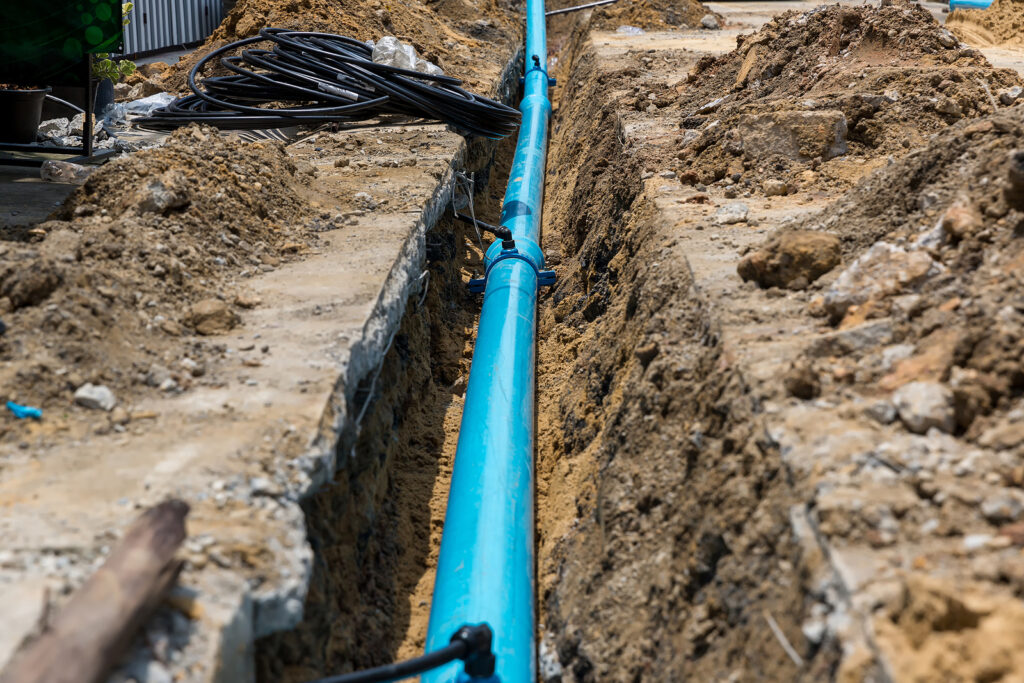
That decision matters more than many people realize. A partial sewer line repair can be the right move in some homes. It can restore function, stop active leakage, and protect the property without turning the job into a larger excavation than necessary. In other homes, that same approach can create frustration later if the remaining pipe already shows age, weakness, or other hidden trouble.
The key issue is not whether partial repair is good or bad on its own. The real issue is the condition of the rest of the sewer line. A strong repair depends on what remains in the ground after the damaged section gets replaced.
Homeowners in Tomball, Northwest Houston, TX and the surrounding areas often deal with a mix of pipe ages, materials, soil movement, root activity, and previous repairs. That means no sewer line should be judged by one damaged spot alone. The surrounding line condition often decides whether a partial repair helps long term or simply delays the next problem.
This article explains how partial sewer line repairs can help, when they can hurt, and what property owners should understand before choosing the repair path.
Why Partial Sewer Line Repair Can Be A Smart Solution
A partial repair makes sense when the sewer problem truly stays limited to one area. A cracked section, a localized root entry point, a broken joint, or a damaged connection may only affect a short part of the line while the rest remains stable. In that situation, replacing the damaged section can restore drainage and protect the home without disturbing more of the yard than necessary.
This approach can work especially well when a camera inspection shows that the remaining pipe walls are in good shape, the slope still supports proper flow, and no major buildup or shifting appears elsewhere. A plumber can remove the damaged segment, reconnect the line properly, test the repair, and return the system to service with a reasonable level of confidence.
Homeowners often prefer this option because it limits disruption. A partial repair may preserve more landscaping, reduce the size of the work area, and focus the job where it is truly needed. That can be a very practical choice when the surrounding pipe still has reliable life left in it.
Why The Rest Of The Pipe Matters So Much
A sewer line is not just one damaged point in the ground. It is a full system that depends on pipe wall condition, alignment, joint stability, slope, and flow path from the house to the connection point. Replacing one section does not automatically improve the rest of the line.
This is where many homeowners run into trouble. A broken area may be the only place showing obvious failure right now, but the nearby pipe may still have heavy scale, thinning walls, offset joints, soft spots, root intrusion, or signs of settling. Once a plumber installs a new section beside older, weaker pipe, the transition areas may begin carrying more stress than before.
A partial repair can solve the visible damage while leaving behind the same conditions that caused the problem in the first place. The new pipe may perform well, but if the rest of the line continues to decline, future backups or leaks may still happen not far from the original repair.
That does not mean a partial repair was the wrong idea every time. It means the decision should come from the condition of the whole line, not just the most damaged section.
Pipe Material Changes The Repair Decision
Pipe material plays a huge role in whether partial repair helps or hurts. Older sewer lines may use clay, cast iron, Orangeburg, or other aging materials that behave very differently than newer PVC sections.
Clay pipe may remain solid in some areas but often develops joint-related root intrusion over time. Cast iron may still look intact from the outside while scale and corrosion reduce the internal opening. Orangeburg tends to weaken and deform with age, which changes the reliability of any untouched sections nearby.
If a partial repair joins a strong new material to an older pipe with known age-related weaknesses, the repaired section may outlast the remaining line by a wide margin. That creates a situation where the homeowner solves one problem but still faces a line with multiple future risks.
On the other hand, a partial repair in a mostly newer PVC line may make perfect sense if the damage came from an isolated event rather than broad deterioration.
Material does not decide everything, but it helps show whether the damaged area is a one-time issue or part of a larger aging pattern.
Camera Inspection Often Tells The Real Story
A sewer camera inspection helps answer the most important question: what does the rest of the line actually look like? Homeowners should not have to guess whether the remaining pipe still has strength, alignment, and usable life. A camera gives visual evidence that supports a smarter repair decision.
A good inspection can show:
- Cracks and breaks beyond the main damaged section
- Root entry points in other joints
- Offset connections that catch debris
- Bellies where water stands in the line
- Heavy scale or corrosion on older pipe walls
- Multiple weak points that may fail next
This information changes the repair conversation. Without it, a homeowner may approve a partial repair based only on the visible symptom. With it, the homeowner can weigh whether a limited repair offers real value or simply postpones a bigger repair that the line already needs.
A partial repair works best when the camera shows a healthy remaining line. It becomes riskier when the camera reveals a pattern of trouble outside the immediate damaged area.
How Partial Repairs Can Actually Help Long Term
A partial sewer repair can absolutely help long term when the problem is local and well understood. A broken section caused by a root entry point, a damaged joint, or a focused collapse does not always mean the full line has reached the end of its useful life.
A smart partial repair can:
- Remove the active failure point
- Restore proper wastewater flow
- Stop sewage leakage into the yard
- Reduce the chance of indoor backups
- Preserve more of the property during repair
- Buy meaningful additional service life from the remaining line
This works best when the surrounding line stays structurally sound, reasonably smooth inside, and properly aligned. In these cases, replacing the bad section may give the homeowner exactly what they need without unnecessary extra work.
The important part is that the repair should follow evidence, not hope. A partial repair helps when the remaining pipe earns that confidence.
How Partial Repairs Can Hurt If The Remaining Pipe Is Weak
Problems start when a partial repair gets treated like a universal shortcut rather than a condition-based decision. A damaged line with widespread age-related wear may not respond well to sectional work if the nearby pipe continues to weaken.
This can hurt in several ways. The homeowner may pay for excavation and repair, only to face another backup or leak months later. The line may fail again near the new connection because the older pipe beside it could not handle continued movement or stress. Root intrusion may return through untouched joints farther down the line. Heavy scale may keep restricting flow even after the broken section is gone.
A partial repair can also create false confidence. The system works again, so it feels “fixed,” but the bigger underlying risk remains. That can make future failures feel more frustrating because the homeowner already invested in repair work and still ended up with another sewer problem.
The lesson is simple: a partial repair can hurt when it repairs the symptom but ignores the condition of the system around it.
Soil Movement And Pipe Support Matter Too
In Tomball and Northwest Houston, soil movement affects underground plumbing more than many people expect. A repaired section does not sit in isolation. It rests within soil that expands, contracts, settles, and shifts over time.
A new section with proper support may perform well on its own, but if the old pipe on either side already has compromised bedding, slight settlement, or misalignment, the transition points can end up taking extra stress. This does not always create an immediate failure. It may show up gradually as a repeat low spot, a new offset, or connection stress near the repaired area.
That is why good sewer repair planning includes more than replacing damaged pipe. It should also consider how the surrounding line sits in the ground and whether the nearby support conditions still make sense.
Why Repeat Sewer Problems Sometimes Follow A Partial Repair
Homeowners often ask why a sewer line failed again after part of it was already repaired. The answer usually comes back to one of a few issues:
- The remaining pipe already had hidden structural problems
- Root intrusion continued through untouched joints
- The line had multiple weak areas, not just one
- Internal buildup and scale still reduced flow elsewhere
- Soil movement stressed old pipe beside the repair
- The original damage was part of a broader age-related decline
These patterns do not mean partial repair should never happen. They mean it should happen for the right reasons and with a clear understanding of the line’s remaining condition.
How Homeowners Can Make A Better Repair Decision
A sewer line decision should come from facts, not pressure. Homeowners can make better choices by asking:
- What material is the rest of the line made from?
- Did the camera show more than one trouble area?
- Are roots entering in other sections too?
- Does the remaining pipe still have solid wall condition?
- Is the line draining well outside the damaged section?
- Is this damage isolated or part of a larger decline?
A good plumber should walk through those questions clearly. That kind of honesty helps the homeowner compare short-term relief with long-term reliability.
Frequently Asked Questions
Is A Partial Sewer Line Repair Always A Temporary Fix?
No. A partial repair can last well when the remaining pipe is still in strong condition and the problem truly stays localized.
How Do Plumbers Decide Whether Partial Repair Makes Sense?
They usually inspect the full line, often with a sewer camera, to see the condition of the remaining pipe, joints, slope, and wall integrity.
Can A New Sewer Section Fail Because Of The Older Pipe Beside It?
Yes. Stress, movement, root entry, or deterioration in the adjacent pipe can lead to new trouble near the repaired area.
Does One Sewer Line Break Mean The Whole Line Needs Replacement?
Not always. Some lines have one isolated problem. Others show wider decline that makes a larger repair strategy more practical.
Why Is Camera Inspection So Important Before Sewer Repair?
It helps show whether the damage is isolated or whether other weak spots, roots, offsets, or buildup still affect the remaining line.
Edmond’s Rooter-Man Plumbers helps homeowners make smart sewer repair decisions in Tomball, Northwest Houston, TX and the surrounding areas. Call 281.351.4422.