


How Bypass Valve Problems Affect Water Treatment Results Without Immediate Warning Signs
A water treatment system can make a big difference in everyday life. Cleaner water, less mineral buildup, better-tasting drinking water, and longer-lasting plumbing fixtures all make a home more comfortable. Many homeowners pay close attention to filters, resin tanks, salt levels, and system maintenance. One small part often gets ignored until problems show up later: the bypass valve.
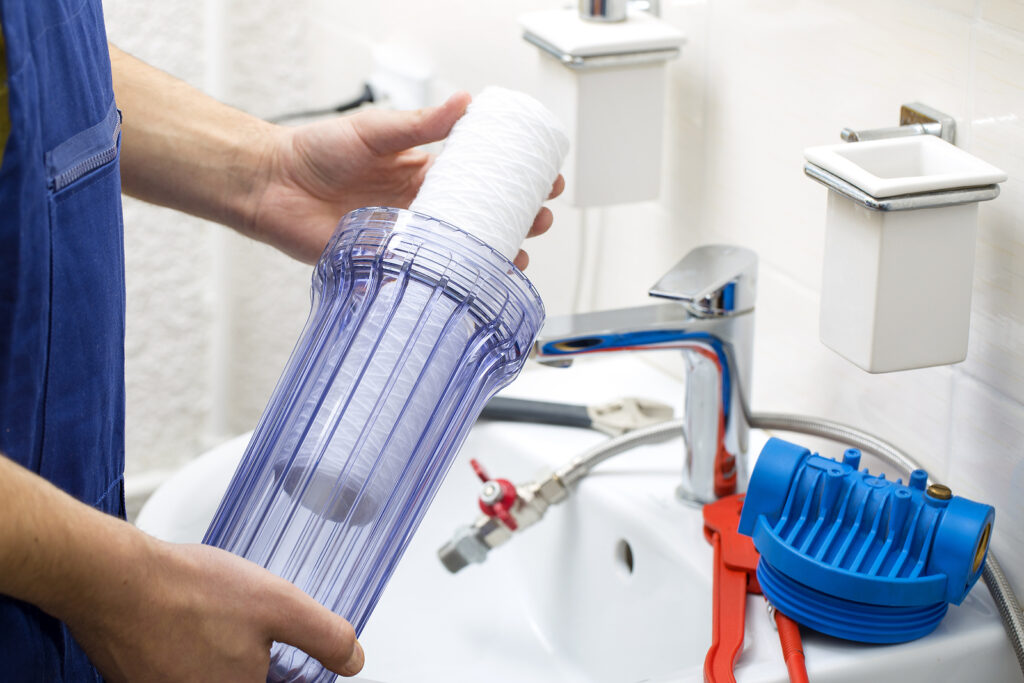
The bypass valve controls whether water flows through the treatment system or around it. That sounds simple, but this small control point has a major impact on the system’s overall performance. A problem at the bypass valve can allow untreated water to mix into the home’s plumbing without causing an obvious failure. The equipment may still look normal. Water may still flow. The system may still sound like it works. Yet the treatment results begin to slip.
This is what makes bypass valve trouble so frustrating. It often develops quietly. Homeowners may not notice a dramatic change right away. Instead, they see gradual signs, such as light spotting on fixtures, scale returning on faucets, changes in water taste, or a slow decline in water softness. Those signs can easily get blamed on filters, resin, source water changes, or even cleaning habits. In many cases, the bypass valve deserves much closer attention.
For homes in Tomball, Northwest Houston, TX and the surrounding areas, reliable water treatment matters. Local water conditions can create concerns with hardness, mineral buildup, staining, taste, and appliance wear. A system that only works halfway can create confusion because it does not fail in a loud or obvious way. It simply stops delivering the full level of treatment the homeowner expects.
What A Bypass Valve Actually Does
The bypass valve gives the system a way to direct water either through the treatment equipment or around it. Plumbers and service technicians use this valve during installation, maintenance, repairs, and troubleshooting. It allows water service to continue to the home while the treatment unit gets serviced or isolated.
In normal operation, the bypass should stay fully positioned so all intended household water passes through the treatment system. During service, the valve shifts so water bypasses the treatment unit and still reaches the home.
That sounds straightforward, but even slight valve problems can create partial bypass conditions. That means some water goes through the treatment system while some water goes around it. This partial flow can quietly reduce performance without stopping service. The home still has water, and the treatment system still appears active, but the results are no longer consistent.
Why Bypass Valve Problems Stay Hidden So Easily
Many plumbing problems announce themselves fast. A burst pipe leaks onto the floor. A clogged drain backs up. A failed water heater leaves the home without hot water. A bypass valve problem often acts very differently.
Water still runs from every faucet. The treatment unit may still cycle on schedule. Salt may still be used. Filters may still look clean enough. Since the house keeps receiving water, many homeowners assume the system is fine.
Bypass valve trouble usually shows up through gradual quality changes rather than total failure. Mineral spots return a little at a time. Soap may not lather the way it used to. Fixtures may start collecting light buildup again. Clothing may feel slightly stiffer after washing. These changes happen slowly, so they are easy to dismiss at first.
That delayed pattern makes the bypass valve one of the most overlooked trouble spots in a water treatment system.
How Partial Bypass Conditions Affect Water Quality
A partial bypass condition creates mixed water. Some treated water reaches the home, but untreated water blends in along the way. That blending changes the final result at fixtures and appliances.
A softener may still remove part of the hardness, but not enough to protect the plumbing fully. A filtration system may still improve taste and odor somewhat, but not consistently. Homeowners may describe the water as better than untreated water but not as good as it used to be. That type of complaint often points toward partial bypass behavior.
This mixed-water effect can create inconsistent symptoms throughout the house. One bathroom may seem less affected than another. The kitchen sink may show different results than the shower. Appliances may begin showing scale again even though the treatment unit still cycles normally.
That inconsistency often leads homeowners in the wrong direction. They may suspect the media, the filter cartridge, or the incoming water source when the bypass valve is actually allowing untreated water to slip through.
Common Reasons Bypass Valves Stop Working Properly
Bypass valves fail in more than one way. Some problems develop from wear. Others happen after service visits, pressure events, or internal component fatigue.
One common issue involves incomplete valve position. A valve may not move fully into service mode, especially if the handle, internal seals, or connection points wear down over time. The valve may feel set correctly from the outside while still allowing a small amount of water to pass around the system.
Another problem involves internal seal wear. Rubber seals and moving components inside the bypass assembly can degrade with age, pressure, and water conditions. Once those parts wear down, the valve may leak internally between pathways.
Some valves also develop stiffness or misalignment after repeated service use. A technician may operate the valve during maintenance, return it to the service position, and the system appears normal. If the internal mechanism does not seat correctly, untreated water may continue slipping through.
Debris can also affect performance. Sediment, scale, or mineral particles may interfere with internal seating surfaces and prevent full closure.
How Bypass Valve Trouble Affects Softener Performance
A water softener depends on complete water flow through the resin tank during normal operation. That process allows hardness minerals to be removed before water reaches the home. A bypass valve problem weakens that process by allowing some untreated water to bypass the resin bed.
This issue can make the system look partly effective. Scale buildup may return more slowly than it would with no treatment at all, but it still returns. Soap scum may increase. Glassware may lose its cleaner appearance. Water heaters and fixtures may begin collecting mineral deposits again.
Homeowners often respond by adding more salt, checking settings, or assuming the resin needs replacement. Sometimes those steps help in other situations, but they do not fix a bypass leak. The softener cannot fully protect the home when untreated water bypasses the treatment path.
How Bypass Valve Trouble Affects Filtration Systems
Filtration systems face a similar issue. Whole-house filters, carbon systems, and other treatment equipment depend on water passing through the intended media. A bypass problem allows some water to skip the treatment stage entirely.
This can lead to changing taste, uneven odor control, or partial reduction in sediment and contaminants. Homeowners may notice that the water quality seems fine on some days and off on others. That kind of inconsistency often points toward flow path problems rather than media exhaustion alone.
Appliances can also suffer. Ice makers, dishwashers, coffee equipment, and water heaters may continue receiving water that contains minerals or particles that the system should be reducing. This means the home does not get the protection it expects from the treatment investment.
Small Symptoms That Deserve More Attention
Bypass valve issues often begin with small signs. These signs matter because they often appear before larger treatment failures become obvious.
Watch for:
- Mineral spots returning on faucets and shower doors
- Soap lather is decreasing without explanation
- Water taste changing slightly different from what you are used to
- Scale is showing up again on kettle surfaces or fixtures
- Staining starting to return in sinks or toilets
- Water treatment results vary from one area of the house to another
None of these symptoms proves a bypass valve problem by itself, but together they make a strong case for inspection.
Why Homeowners Often Misdiagnose The Problem
Most homeowners naturally focus on the larger treatment unit. That makes sense. The softener tank, filter housing, control head, or salt tank feels like the most likely place for trouble. The bypass valve seems too simple to cause a major problem.
That assumption leads to a missed diagnosis. Homeowners may replace filters earlier than necessary, adjust system programming, add more salt, or worry about water source changes. Those steps may not do anything if untreated water keeps slipping around the system through the bypass.
A professional inspection helps separate equipment performance from flow path issues. Without that inspection, people may spend time and money addressing the wrong part of the system.
Why Proper Installation And Service Matter
Bypass valve reliability starts with correct installation. The valve must align properly, seal correctly, and match the system layout. Poor installation can create long-term trouble even if the system works at first.
Service practices matter too. Anytime a bypass valve gets used during maintenance, it needs to return fully to service position with confirmation that the system is sealed properly. A rushed or incomplete reset can leave the home in a partial bypass condition without anyone realizing it.
Regular system checks should include bypass valve inspection, especially in homes where water treatment results have changed without a clear reason.
How Professional Inspection Helps Restore Results
A plumber or water treatment professional can inspect the bypass valve, verify flow direction, test treated water quality, and compare conditions before and after the system. This process helps identify whether the treatment unit is underperforming or whether untreated water is bypassing the treatment path.
That distinction matters. A unit with healthy media and settings may not need replacement or major repair. It may simply need bypass valve correction, seal replacement, or proper repositioning.
Accurate diagnosis restores confidence in the system and helps homeowners get the performance they expected in the first place.
Frequently Asked Questions
What does a bypass valve do on a water treatment system?
A bypass valve directs water either through the treatment equipment or around it during maintenance or service.
Can a bypass valve problem reduce water treatment without stopping water flow?
Yes. Water can keep flowing normally while untreated water partially bypasses the system.
Why does my water seem only partly softened or filtered?
A partial bypass condition can allow treated and untreated water to mix, which weakens overall results.
Can a bypass valve leak internally without showing water outside the unit?
Yes. Internal leakage inside the valve can change water flow paths without creating an external drip.
How can I tell whether the issue is the treatment system or the bypass valve?
A professional inspection can test water quality, inspect the valve position, and confirm whether water is flowing through the system correctly.
Edmond’s Rooter-Man Plumbers helps homeowners restore full water treatment performance in Tomball, Northwest Houston, TX and the surrounding areas. Call 281-351-4422.